


Dario Tronchin, aka Money Lang, is an Italian electronic music producer and dance artist with over a decade in the game under his belt. After spending most of the 10s releasing a bevy of well-received projects under the name Chevel, he first came to my attention in 2021 with his Money Lang debut, Treviso Mare Mixtape, an elusive and euphoric mix of glossy fat synths, infectious melodic motifs, and endless crescendos. I’ve been hooked on the highs ever since, jumping from release to release, including 2023’s French touch standout “Dreams” and last year’s bold synth-pop crossover MMM. But all of these pale in comparison to what’s peaking just over the horizon. Xmas Rush, his forthcoming LP, is a career-defining achievement, a marriage of his now signature synthetic sugar rush with vintage soul and funk samples that stands as a transcendent and deeply personal beacon of dance music optimism. I’ve been waiting to unwrap this gift for two years now, so I rushed to get Dario on the phone when I found out the big day was almost here.

Nick: It’s super exciting that this album is finally coming out, I know you recorded most of it during the holidays a couple of years ago.
Money Lang: Yeah, it was Christmas 2023. There’s this amazing studio near my hometown, which is busy most of the time because the guy who runs it works in Italian pop music. But since we became friends, he said I could come over during Christmas time and use it for free because nobody was going to be there. So I had this window of time, and my idea was to make one track per day. I started on the 20th of December, and by the 1st of January, I left. I tried to write fast just to catch the mood, so I spent a few hours on the same idea till it clicked, and then I said, “Okay, this is enough, I will reopen it later on.” Then it took two years to edit and mix; it always goes like that.
That origin story is so epic, this magical 10-day period in this great space.
It felt like an epiphany to me, you know. Also, Christmas is my favorite time of the year; some people hate it, but for me it’s the most magical time of the year because I feel like a kid again.
What was the process of finishing the tracks like? Because it sounds like you came out of those 10 days with a bunch of sketches, what went into them over the next year and a half?
A big moment was this gig I had in Venice, opening for Yaeji. I needed to finish these songs for that night and test them out, so that was the second wave of work around this record. I tried to make longer versions and mix them properly because they were going to be played on a proper sound system. I love the magic of the first demo when I write, but it tends to be something too personal. Sometimes it’s too abstract, because I know what’s going on behind the track, but you need to translate it for the receiver to understand your main idea. So that was a big moment for me. And then it took ages to go back and forth between the live versions and the original demos. I tried to get the best of both versions.
How did the show go?
The show was good! It was at the Korean pavilion during the Venice Biennale, so it was a special party. I also saw a lot of familiar faces and friends; a lot of people came out. Testing new tunes with friends is always a bit risky, but it went well.
Was that the type of setting that you envisioned the tracks playing in? When you were making them, how did you picture people listening to them?
When I made this record, I didn’t think about them being played out, actually. This record is more personal, more of a headphones record, I think. How do you feel about it?
To me, it’s like a party, club atmosphere, it’s really fun and jovial. I was listening to it last night and thinking about how great it’d be to hear it played out live. It was actually your previous record, MMM, that felt more like headphones music, almost in-between dance and pop.
I think because I always like to challenge the audience a bit, the dancier stuff for me is too obvious, I want to hear that in headphones, and then the more experimental stuff I want to play out and see how people react. But I think Xmas Rush is a dance record, I think it’s a party, maybe not a big one, but still danceable and enjoyable in a social context.
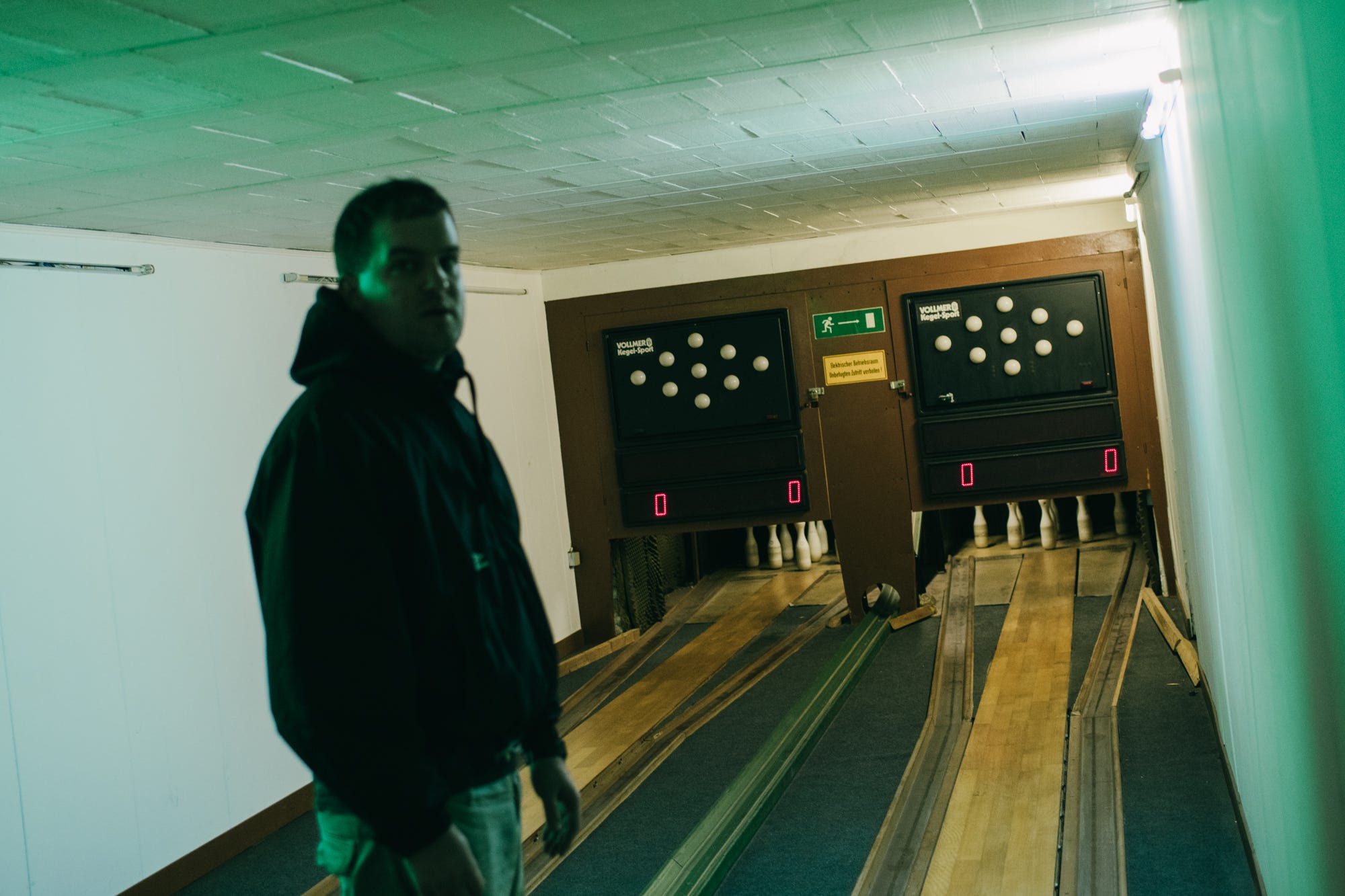
There are also a lot of samples on this album compared to your last one. What type of stuff were you mining?
When I started, I wanted to make a song with only 80s electro samples, but then it turned into more soul/funk samples instead. I think everything came from Tracklib. You can sample full songs from the website and get a proper license too, otherwise you need to track down the writers and ask them for permission and clearance and blah blah blah. With Tracklib, you can download a song, chop it up, and then they give you the license. I’m not taking any money from them; it’s just a great tool.
And these are older songs? Like older catalogs?
Yeah, I think they license catalogues from record labels and publishers. It was mainly stuff from the 70s, you know, Detroit soul and funk music basically.
Were you familiar with any of the music that you were grabbing before finding it on Tracklib? Did you listen to much of that stuff ever?
I think I heard that kind of stuff when it was already assembled by people like Daft Punk and J. Dilla, but I never listened to the originals; it came to me when it was already sampled by someone else. So it’s interesting, it’s a generational thing, I think. You cannot sample Daft Punk because they already sampled something else, but you can go to the source and make two spins around the planet with that.
What Money Lang Listened To Last Week:
💿 Torus - Summer of Love
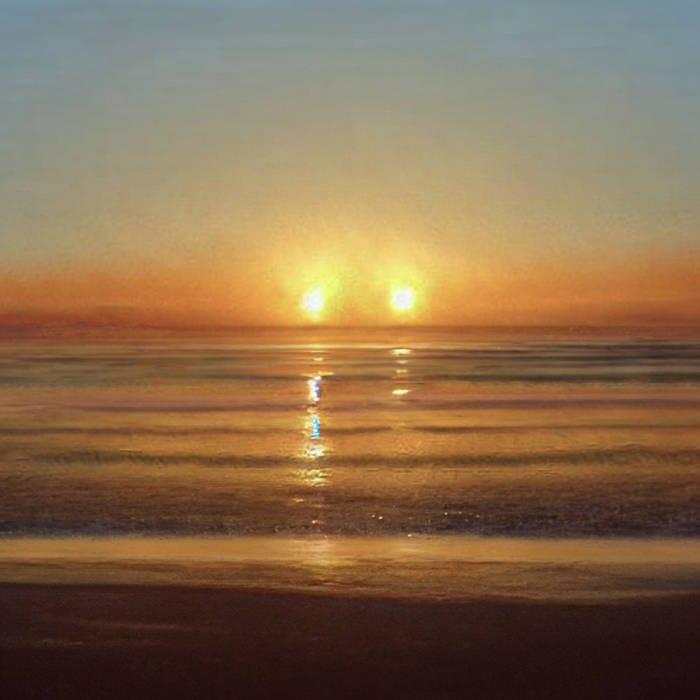
Torus did the artwork for Xmas Rush. He goes with his real name when he does visual stuff, and I know he wants to keep them separate, but I wanted to mention the music side because he’s one of the best. I think our generation has this memory of something that we never experienced, which is really weird. For example, I never went to see Daft Punk live. I saw some house music when I was like 16 or 17, but I never had the full 90s experience, it was already the early 2000s, after the explosion of that sound. I love Torus because he takes the spirit of that time and translates it into now. We don’t go clubbing in the same way as back then; we can experience the feeling and aftermath of a rave from laptop speakers. That’s why he’s a great artist; he’s channeling the energy of that euphoric music, but in today’s terms and surroundings. And as a kind of memory too. It doesn’t sound like the thing itself; it’s a thing being remembered, that comes across really strongly in his music.
💿 Shapednoise - Absurd Matter 2
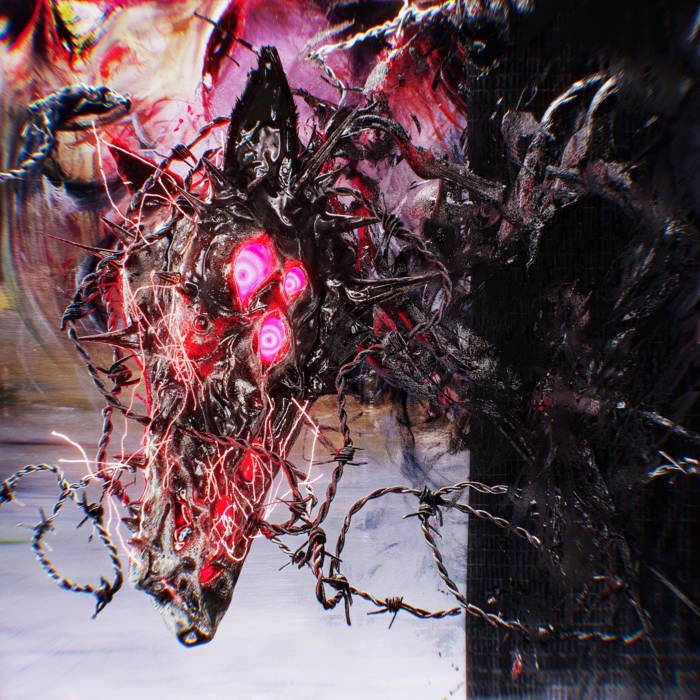
The Italian electronic music scene is not that huge, so everyone knows everyone else. I became very close with Nino after COVID. I was in Berlin, and we started hanging out; now we talk almost every day. Sometimes when you make a list of music, you put your friends on there just to give them support, but in this case, I’d do it even if I wasn’t friends with him. I really respect what he does. He’s been making this kind of music since day one; you can tell it’s a Shapednoise track within one second, and I think that’s a strong feature for an artist to have. I really like the track “Oblivion Step”, it almost sounds like a garage tune, but with his own touch. If you’re DJing a party, that’s probably the track you’re gonna pick.
💿 Lucio Battisti - Una giornata uggiosa
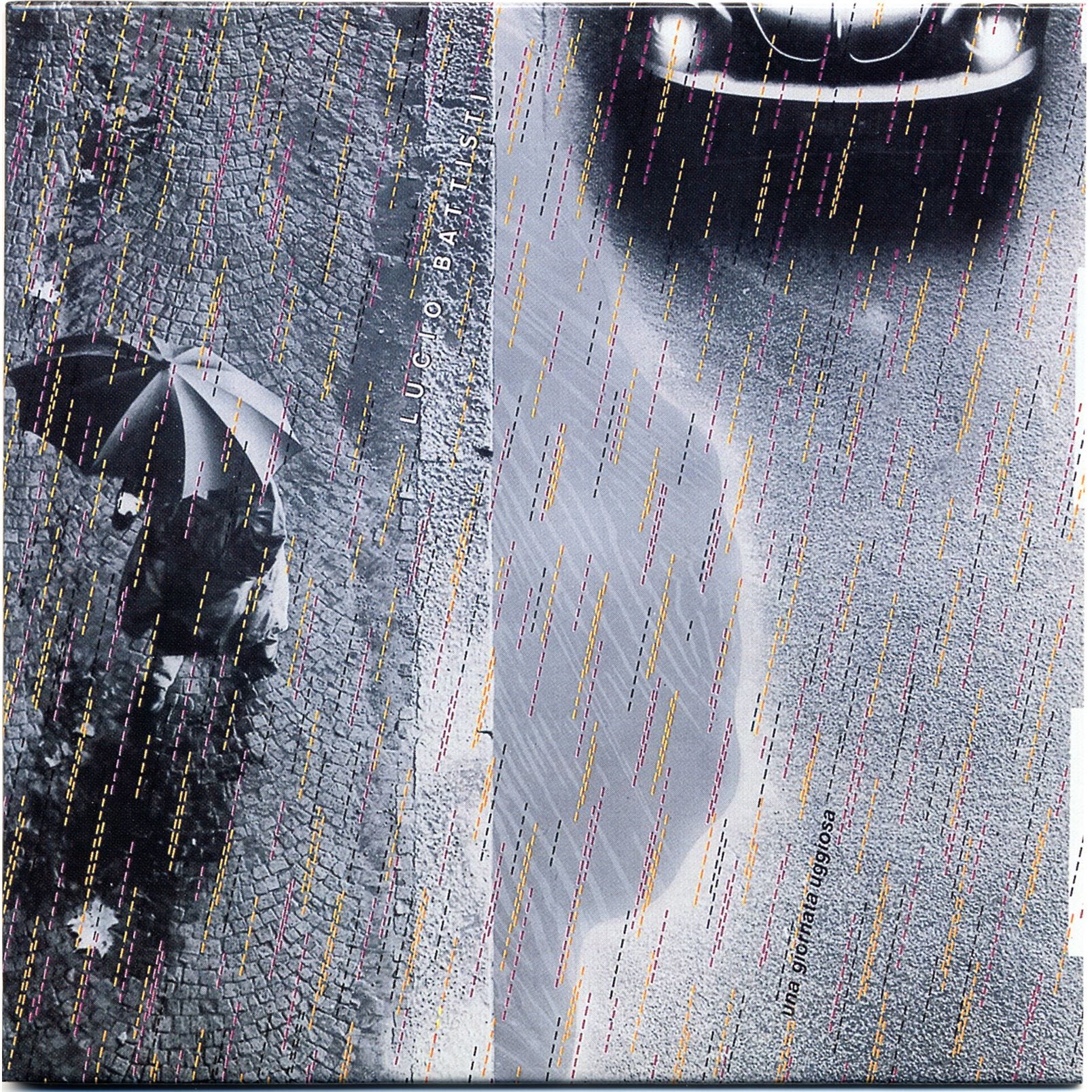
He’s the first artist I heard in my life. He’s basically the biggest songwriter in Italian history, but people abroad don’t know about him because after he died in the 90s, his wife didn’t want to have his catalogue on DSPs. They were very, very jealous about royalties and very conservative about his heritage. For example, I’m doing a mix for Apple Music for Mad Decent, and they sent me a list of restricted artists, and he’s on the list.
In Italy, he’s probably the number one artist of all time. My dad has all his vinyls from the 70s, every house had the Lucio Battisti records. I wish we could go back to that kind of music. I was driving to Venice with my friends, and I played one of Lucio Battisti’s albums in the car, and all three of us were completely silent, just listening to the music. The music was creating this magic moment inside the car because it’s very romantic, very deep, and the lyrics are very gentle and respectful. He talks about love and relationships and stuff. So I kind of wish our generation could go back to having more of that deep meaning within music.
This particular album isn’t very well known, except for the last track, which is one of his most famous songs. But in that first song, “Il Monolocale”, which means “one room flat,” he’s talking about how he’s frustrated because he can’t afford a flat for him and his girlfriend. At the time I was splitting with my girlfriend and moving out of a studio flat, so it was one of those moments in life where a song finds you, not the other way around.